Summary:
You’re buying a home in Nassau County. The inspection passed, financing looks good, and you’re ready to close. Then your attorney mentions you need a land survey. Or maybe you’re planning to build a deck, and the building department asks for a survey showing your property lines. What exactly is a land survey, and why does it matter?
A land survey is more than lines on a map. It’s legal documentation that defines what you actually own, protects you from boundary disputes, and ensures your construction plans won’t create expensive problems. In Nassau and Suffolk County, where properties have changed hands for generations and home values average $800,000 or more, understanding surveys isn’t optional—it’s protection for one of your biggest investments.
What a Land Survey Actually Is
A land survey is a professional measurement and mapping of your property that establishes exact boundaries, documents structures and features, and identifies any legal restrictions affecting your land. Think of it as a detailed snapshot of what you own and what you can do with it.
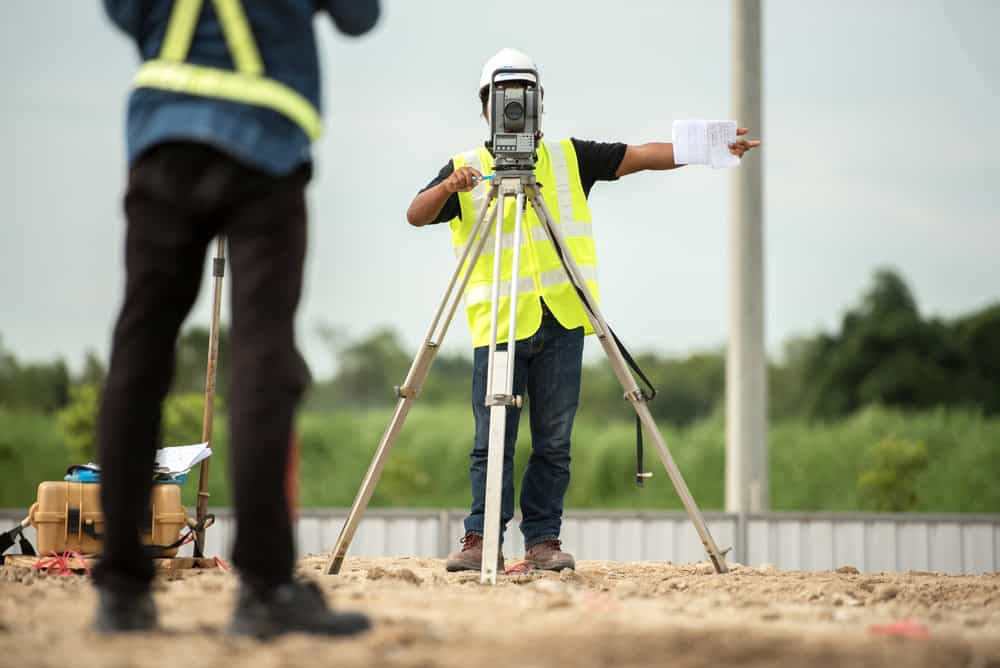
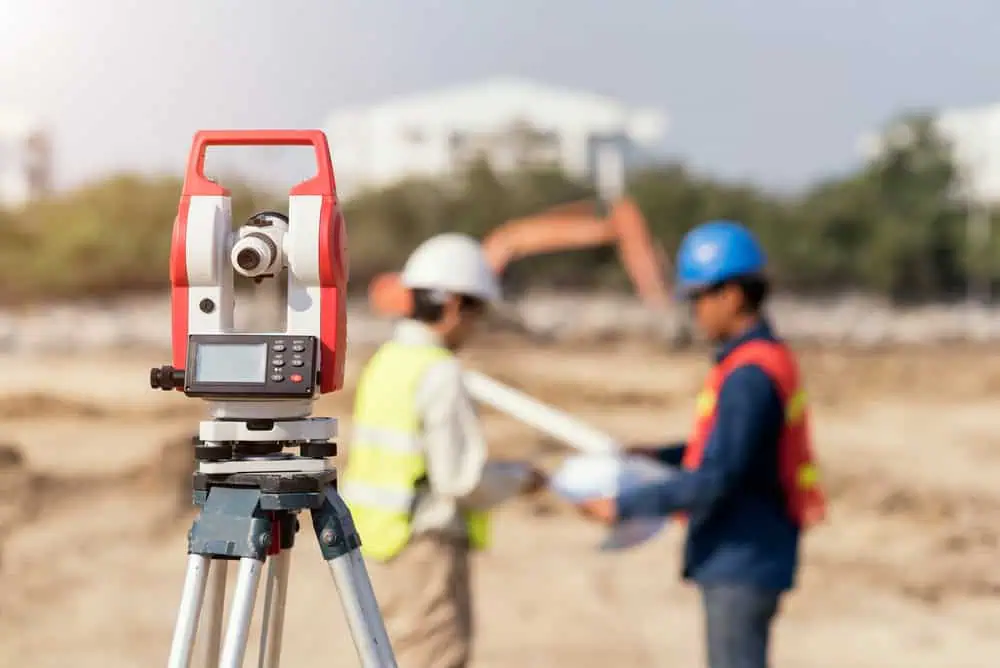
We use precision equipment—GPS technology, laser measuring tools, and traditional surveying instruments—to measure your property and create an accurate map. That map shows your boundary lines with exact dimensions, the location of your house and other structures relative to those boundaries, and any easements or encroachments that affect your property rights.
The survey becomes a legal document. In Nassau and Suffolk County, it’s part of your property records and can be used in real estate transactions, construction permitting, boundary disputes, and legal proceedings. When there’s a question about where your property ends and your neighbor’s begins, the survey provides the answer.
What You'll Actually See on Your Property Survey

Your survey map includes several key pieces of information that matter when you’re buying, building, or dealing with neighbor issues. The boundary lines show the exact perimeter of your property with precise measurements—the length of each line, the angles at each corner, and your total property area. These measurements are accurate to within inches, not the rough estimates you might get from old deed descriptions.
All structures on your property appear on the survey. Your house, garage, shed, driveway, deck, pool, and fences are drawn to scale, showing exactly where they sit in relation to your property lines. This matters because building codes require specific setbacks—minimum distances between structures and property boundaries. If your deck extends closer to the property line than local regulations allow, the survey reveals that issue before it becomes a permit problem or a dispute with your neighbor.
Easements show up on surveys too. An easement gives someone else legal rights to use part of your land for a specific purpose. Utility companies often have easements to run power lines, water pipes, or sewer lines across private property. Your neighbor might have an easement for driveway access. These easements can restrict what you’re allowed to build in those areas, so knowing about them before you plan construction saves you from expensive redesigns.
Encroachments are another critical detail surveys reveal. An encroachment happens when a structure from one property crosses onto another. Maybe your neighbor’s fence is actually three feet onto your land. Or your shed extends six inches over the property line. These situations create legal complications, especially during real estate transactions, and surveys document them clearly so you can address them before they become bigger problems.
The survey also notes any physical markers at your property corners—iron rods, pipes, concrete monuments, or other markers that establish where your boundaries are on the ground. If markers are missing, we’ll typically set new ones as part of the survey process, giving you visible reference points for your property lines.
In Nassau and Suffolk County, where many properties have deed descriptions written before modern surveying technology existed, surveys also reveal discrepancies between what old deeds describe and what actually exists today. Those old deeds might reference “the large oak tree” or “the stone wall” as boundary markers, but those landmarks disappeared decades ago. A professional survey cuts through that confusion with precise measurements you can rely on.
Different Types of Land Surveys for Different Needs
Different situations call for different types of surveys, and understanding which one you need saves time and money. A boundary survey is the most common for residential properties in Nassau and Suffolk County. It establishes your property lines, locates corners, and identifies any encroachments or easements. Most real estate transactions and construction projects start with a boundary survey because it provides the fundamental information you need to move forward.
If you’re buying a home and need a mortgage, your lender will likely require a mortgage survey or title survey. This type of survey verifies that the house sits on the property described in your deed, checks for encroachments from neighboring properties, and confirms the boundaries are clearly defined. Title companies use these surveys before issuing title insurance because they need to know exactly what they’re insuring. Without it, your closing gets delayed.
ALTA surveys are more comprehensive and typically required for commercial properties or complex residential transactions. These surveys follow strict standards set by the American Land Title Association and include detailed information about boundaries, topography, utilities, zoning restrictions, easements, and rights-of-way. They take longer to complete and cost more—usually $2,000 to $3,000 in New York—but provide the thorough documentation lenders and investors need for major transactions.
Topographic surveys map the elevation changes and physical features of your land. If you’re planning significant construction or landscaping, architects and engineers need to know about hills, slopes, drainage patterns, trees, and other features that affect design. Building on sloped land requires different foundation work than building on flat ground, and a topographic survey gives your design team the information they need to create plans that work with your property’s actual conditions.
Construction surveys happen during building projects. We stake out where foundations, utilities, and structures should be placed according to your approved plans. This ensures construction happens in the right location and complies with setback requirements. After construction finishes, an as-built survey documents what was actually built and confirms it matches the approved plans—important documentation if you ever sell the property.
For Long Island property owners, the type of survey you need depends on what you’re doing. Buying or selling a home? You’ll likely need a boundary or mortgage survey. Planning a pool or addition? A boundary survey showing setbacks is essential for your building permit. Dealing with a neighbor dispute? A professional boundary survey provides the legal documentation to resolve the issue without assumptions or arguments.
When You Actually Need a Land Survey in Nassau and Suffolk County
In New York, land surveys aren’t legally required for every real estate transaction, but in practice, you’ll need one for most property purchases, sales, and construction projects. Lenders almost always require a current survey before approving a mortgage. They need confirmation that the house actually sits on the property described in your deed and that there aren’t structures encroaching from neighboring properties.
Title companies typically require surveys before issuing title insurance. They’re protecting themselves and you from claims that might arise if property boundaries are unclear or if there are encroachments nobody knew about. Without a survey, you might not get title insurance, and without title insurance, most lenders won’t approve your mortgage.
Building permits for construction projects in Nassau and Suffolk County require surveys showing your property lines and existing structures. Whether you’re adding a deck, building a pool, installing a fence, or planning a major addition, the building department needs to verify that your plans comply with setback requirements. Those setbacks—the minimum distances between structures and property lines—vary by zone and municipality, but they’re strictly enforced. No survey means no permit.

Buying or Selling a Home on Long Island
If you’re buying property in Nassau or Suffolk County, a survey tells you exactly what you’re getting. The listing might say the property is half an acre, but the survey shows the actual area. The seller might believe the fence marks the property line, but the survey reveals whether that’s accurate or if the fence is actually on the neighbor’s land—or worse, if your potential new property is encroaching on someone else’s.
Surveys also uncover potential problems before you close. Maybe there’s a utility easement running through the backyard where you planned to build a garage. Or the neighbor’s driveway encroaches onto the property you’re buying. Discovering these issues during your due diligence period gives you negotiating power. You can ask the seller to resolve the problem, adjust your offer price to account for the limitation, or walk away if the issues are too significant.
For sellers, having a current survey ready can speed up the transaction. Buyers and their lenders will want one anyway, and providing it upfront shows transparency. It also prevents surprises that might derail the sale during the closing process when everyone’s already committed time and money to the transaction.
In Long Island’s competitive real estate market, where Nassau County median home prices have reached $831,000 and Suffolk County properties average around $685,000 to $725,000, the cost of a land survey—typically $500 to $1,200 for a standard residential property in NY—is minimal compared to the value of the transaction. It’s protection for what’s likely the largest financial commitment you’ll make, and it gives you leverage to negotiate or walk away if problems surface.
Sometimes sellers ask if they can use an old survey instead of getting a new one. That works if the survey is recent and nothing has changed on the property. But if the survey is ten or twenty years old, it won’t reflect current conditions. Maybe you added a shed or extended the driveway. Maybe a neighbor built a fence that crosses the line. Those changes won’t show up on an outdated survey, and most title companies will require a physical inspection to confirm nothing has changed since the old survey was prepared. That inspection costs less than a full new survey but still adds to your closing costs.
Planning Construction Projects and Getting Building Permits
Any significant construction project on Long Island requires a building permit, and getting that permit typically requires a survey. The rule of thumb: if you’re changing the structure, layout, plumbing, or electrical systems of your property, you need a permit. And if you need a permit, you probably need a survey showing where your property lines are and where you’re planning to build.
Building departments in Nassau and Suffolk Counties are strict about setback requirements. Every zone has minimum distances between structures and property lines. Build too close to the line, and you’re in violation. The building department won’t issue your permit without proof that your planned construction complies with those setbacks, and a survey provides that proof with measurements they can verify.
This applies to pools, decks, fences, sheds, additions, and major renovations. Even if you think you know where your property lines are, assumptions aren’t enough for the building department. They need documentation from a licensed surveyor showing exact measurements and confirming your plans meet local requirements. Your contractor might tell you the survey is optional, but they’re not the ones who’ll face fines or legal action if something goes wrong.
Getting a survey before you finalize your construction plans can also save you money on the project itself. If your initial design places a structure too close to the property line, finding that out during the survey phase means you can adjust your plans before construction starts. Discovering the problem after you’ve already built means expensive corrections—moving or demolishing what you built and starting over in the right location.
The cost of a survey in New York—typically $500 to $1,200 for a standard residential property, with costs varying based on property size and complexity—is minimal compared to the cost of fixing construction mistakes. Building something in the wrong location and having to move or demolish it costs far more than getting the survey upfront. And building without a permit creates its own problems: stop work orders that halt your project mid-construction, fines that can be substantial, difficulty selling your home later when buyers discover unpermitted work, and potential insurance issues if damage results from work done without proper permits.
In older Long Island neighborhoods where properties have been subdivided multiple times over the years, surveys are especially important. Each subdivision creates new boundary lines, and if previous surveys weren’t perfectly accurate or properly recorded, small errors compound over time. What starts as a minor discrepancy in measurements can become a significant boundary dispute affecting multiple properties. A professional survey establishes the facts and prevents those disputes before they start, protecting both your construction plans and your relationship with neighbors.
Protecting Your Property Investment with Professional Surveying
A land survey isn’t just paperwork required for closing or permits. It’s legal documentation that protects one of your biggest investments. In Nassau and Suffolk County, where property values continue climbing and land records sometimes date back generations, professional surveying provides clarity in situations where assumptions create risk.
Whether you’re buying your first home, selling property you’ve owned for years, planning a construction project, or dealing with a boundary question, a survey gives you confidence about what you own and what you can do with it. The cost is minimal—typically $500 to $1,200 in New York for residential properties—compared to the tens of thousands you might spend on legal fees if boundary disputes end up in court, or the expense of correcting construction mistakes made without accurate property line information.
For over fifty years, we’ve helped property owners throughout Nassau and Suffolk County understand their land and protect their investments. When you need accurate, reliable surveying services backed by local expertise and modern technology, reach out to us to discuss your project.