
Summary:
You’re about to close on a house in Nassau County, or maybe you’re finally building that fence in your Suffolk County backyard. Then someone mentions you need a survey. But which kind? A boundary survey? A title survey? And what’s the actual difference?
It’s a fair question. These terms get thrown around interchangeably, but they’re not the same thing. One focuses purely on where your property lines are. The other digs deeper into legal ownership, restrictions, and everything that could affect your rights to the land.
Getting the wrong survey—or skipping one altogether—can cost you thousands down the road. Here’s what you need to know about boundary surveys versus title surveys, when each one matters, and how to make the right call for your Long Island property.
What Is a Boundary Survey?
A boundary survey tells you exactly where your property begins and ends. That’s the core purpose—defining your property lines with legal precision.
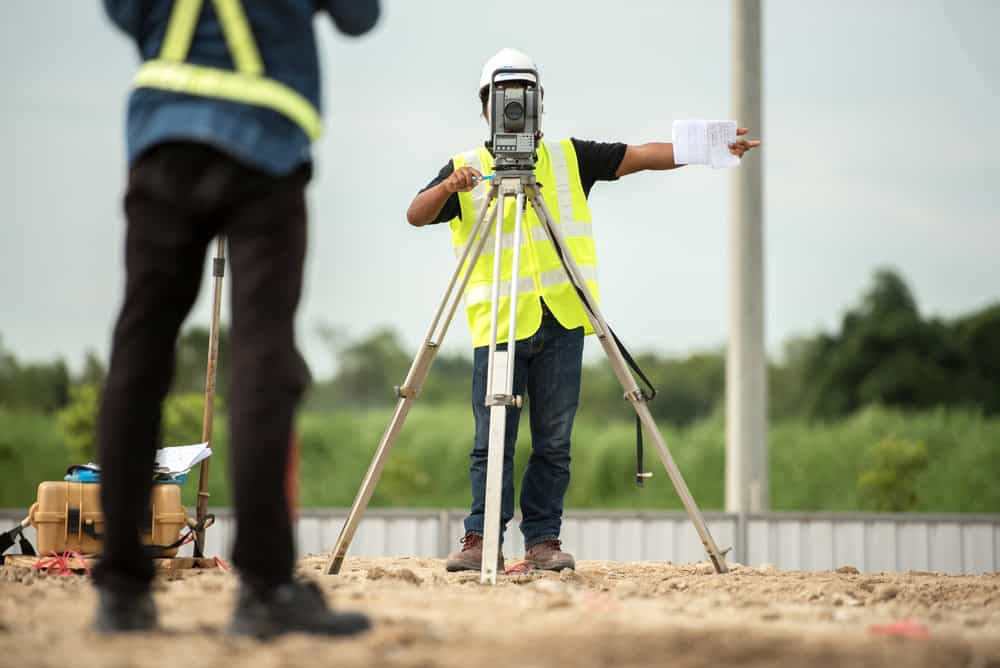
We locate existing property markers or set new ones if they’re missing. We review your deed and public records, then head out to your property with GPS equipment and measuring tools. We take precise measurements, mark the corners, and create a detailed map showing your property boundaries.
This type of survey answers one question: where are my property lines? If you’re installing a fence, planning an addition, or dealing with a neighbor who thinks your shed is on their land, a boundary survey gives you the facts.
What Does a Boundary Survey Show You?

When your boundary survey comes back, you’re getting a map that shows the exact dimensions of your property. You’ll see measurements in feet and inches, not rough estimates. The survey marks each corner of your lot, usually with iron rebar driven into the ground, and sometimes with visible stakes or flags if you request them.
The map displays your property lines in relation to physical features—your house, garage, driveway, any existing fences or structures. If your neighbor’s fence crosses onto your land by two feet, the survey documents that. If your garage sits three feet from the boundary line, you’ll see that too.
This matters more than you might think. Let’s say you want to build a pool in Huntington or add a deck in Garden City. Local codes in Nassau and Suffolk Counties require specific setbacks from property lines. Without accurate boundary measurements, you could pour concrete in the wrong spot and face expensive corrections or violations.
Boundary surveys also reveal easements, which are rights others have to use portions of your property. Utility companies often hold easements to access power lines or water mains. Your neighbor might have a recorded easement to use part of your driveway for access to their garage. These don’t always show up in casual property inspections, but they’re legally binding.
The survey becomes a legal document. If a dispute arises later—say your neighbor claims your new fence is on their property—your boundary survey serves as evidence. Courts, town building departments, and title companies all recognize properly executed surveys from licensed land surveyors.
You’re not just getting a drawing. You’re getting legal protection and clarity about what you actually own. In areas like Long Island where properties have changed hands for generations and old deed descriptions reference landmarks that disappeared decades ago, that clarity protects your investment.
When Do You Need a Boundary Survey and What Does It Cost?
You need a boundary survey anytime you’re making permanent changes to your property or when property lines become a question. That includes obvious situations like building a fence or installing a pool, but it also covers less obvious scenarios.
Planning any construction project? You need one. Building departments in Nassau and Suffolk Counties require accurate property line documentation before issuing permits for additions, garages, or any structure. They want proof you’re building on your own land and meeting setback requirements.
Buying property and planning improvements right away? Get the boundary survey done as part of your closing instead of waiting. Yes, it costs more upfront than a basic title survey, but you’ll save money by not paying for two separate surveys within months of each other.
Dealing with a neighbor dispute? That’s exactly when you need a boundary survey. Maybe your neighbor insists their fence marks the property line, but you’re not convinced. Or perhaps they’re complaining about your shed placement. A professional survey settles the disagreement with facts instead of assumptions.
Noticed an encroachment? If your neighbor’s structure, driveway, or fence appears to cross onto your property, a boundary survey documents exactly what’s happening. This becomes critical if you ever want to sell. Title companies flag encroachments as potential problems, and buyers get nervous about properties with unclear boundaries.
For most residential properties up to half an acre in Nassau and Suffolk Counties, boundary survey cost typically runs between $300 and $900. Larger lots, complicated property histories, or rush requests cost more—sometimes reaching several thousand dollars depending on the size and complexity. But compare that to the thousands you might spend resolving a boundary dispute in court, or the loss you’d take if an encroachment clouds your title when you try to sell. The investment makes sense.
What Is a Title Survey?
A title survey goes beyond property lines. It establishes your legal status, rights, restrictions, and ownership—everything that affects how you can use your land and whether your title is clear.
Think of it as a boundary survey plus a comprehensive investigation into everything that could impact your ownership. We still locate your property boundaries and mark them on a map. But we also document every structure, easement, encroachment, right-of-way, and potential conflict between what’s recorded in your deed and what actually exists on the ground.
Title companies and mortgage lenders typically require this type of survey for real estate closings in New York. They want assurance that what you’re buying matches what the deed describes, and that no hidden issues will surface after closing.
What Shows Up on a Title Survey?
A title survey includes everything from a boundary survey—your property lines, corner markers, and lot dimensions. Then it adds layers of legal and practical information that affect your ownership and use of the property.
You’ll see all structures and improvements, not just those near property lines. Your house, garage, shed, driveway, patio, pool, fences—everything gets mapped in relation to your boundaries. This matters because title insurance companies want to know if any structure encroaches on a neighbor’s property or violates setback requirements.
Easements appear prominently on title surveys. These are legal rights others hold to use portions of your property. Utility easements for electric, water, or sewer lines. Access easements that give neighbors the right to cross your land to reach their property. Drainage easements that direct water flow across multiple lots. You own the land, but these easements restrict how you can use it. You can’t build a garage over a utility easement, for example, even though it’s technically your property.
The survey documents encroachments from neighboring properties. If your neighbor’s fence, shed, or driveway crosses onto your land, the title survey shows exactly where and by how much. It also reveals if any of your structures encroach onto someone else’s property—a problem that needs resolution before closing.
Rights-of-way get marked clearly. These designated paths allow travel or access, often for roads, sidewalks, or utility maintenance. A right-of-way across your property means you can’t block that access, even though you own the land underneath.
Title surveys also note any conflicts between recorded deeds and actual conditions. Maybe your deed describes the property as extending to a certain point, but physical evidence suggests otherwise. Or perhaps old surveys show different boundaries than current measurements reveal. These discrepancies need resolution before title insurance can be issued.
In Nassau and Suffolk Counties, where many properties have complex histories and multiple past owners, title surveys frequently uncover issues that simpler surveys miss. That fence that’s been there for thirty years? Might be several feet onto the neighbor’s property. That driveway you’ve been using? Could cross an easement you didn’t know existed.
These aren’t just academic concerns. They affect your ability to get title insurance, which lenders require. They impact your property value and your ability to sell later.
When Do You Need a Title Survey in New York?
You need a title survey for most real estate transactions in New York, especially when financing is involved. Lenders almost always require one before approving a mortgage. They want confirmation that the property you’re buying matches the legal description, that no encroachments or easements will jeopardize their security interest, and that the title is clear of survey-related defects.
Title insurance companies also require title surveys before issuing owner’s policies with full coverage. Without a current survey, they’ll typically exclude survey-related issues from coverage. That means if a boundary dispute arises later, or if an encroachment surfaces that affects your property value, you’re on your own financially.
Real estate closings for residential properties in Nassau and Suffolk Counties almost always involve title surveys. Your attorney, the seller’s attorney, and the title company all want to see survey documentation before finalizing the transaction. This protects everyone involved—the buyer knows exactly what they’re getting, the seller can address any issues before closing, and the title company can insure the transaction with confidence.
If you’re buying property without financing—a cash purchase—you might technically be able to skip the survey. But that’s risky. You’re making a substantial investment, likely hundreds of thousands of dollars in the Long Island market where median home prices in Nassau County exceed $800,000 and Suffolk County properties average around $655,000. Spending an additional thousand or two for a title survey protects that investment by revealing any problems before you commit.
Refinancing your mortgage? Your new lender will likely require an updated title survey, especially if your last one is more than a few years old. They want current information about your property’s condition and any changes since the original survey was completed.
Commercial real estate transactions typically require even more comprehensive surveys—often ALTA surveys that meet national standards. These provide extensive detail about property boundaries, improvements, easements, zoning classifications, and access rights. They cost more than standard title surveys, sometimes significantly more, but they’re necessary for commercial lending and title insurance.
The key difference between needing a boundary survey versus a title survey usually comes down to your purpose. Building a fence or resolving a neighbor dispute? Boundary survey. Buying property, getting a mortgage, or obtaining title insurance? Title survey.
In practice, many Long Island property owners end up getting both types of surveys at different times—a title survey when they buy, then a boundary survey years later when they want to build or address a property line question. That’s normal and expected.
Which Survey Do You Actually Need for Your Property?
The answer depends on what you’re trying to accomplish. If you’re buying property or refinancing, you need a title survey to satisfy your lender and title company. If you’re building a fence, installing a pool, or resolving a boundary dispute, you need a boundary survey to establish exact property lines.
Sometimes you need both, just at different times. Your title survey handles the closing. Your boundary survey handles the construction project two years later. Each survey serves its purpose when you need it.
The worst move is skipping surveys altogether. Long Island properties have complicated histories, old deed descriptions, and plenty of opportunities for confusion about boundaries and rights. Spending a thousand or two on professional surveying protects investments worth hundreds of thousands of dollars. It prevents neighbor disputes, construction mistakes, title problems, and legal headaches that cost far more to fix than they do to prevent.
If you’re dealing with property in Nassau County, NY or Suffolk County, NY and you’re not sure which survey you need, we can walk you through your specific situation and recommend the right approach. With over 50 years serving Long Island, we understand local property issues, title company requirements, and what it takes to keep your real estate transaction or construction project moving forward smoothly.