

Summary:
What Is a Land Survey
A land survey is a detailed, professional measurement and map of your property. It shows exactly where your land begins and ends, based on legal descriptions in your deed and physical markers on the ground. Think of it as the official record of what you actually own.
A survey property line is a legal boundary that defines the limits of a piece of land, determined by a licensed land surveyor through a formal process. It’s not based on where you think your fence is or where the grass changes. It’s based on recorded deeds, historical documents, and precise field measurements using GPS and other surveying equipment.
The final product is a map—sometimes called a plat—that includes property corners, boundary lines, structures, easements, and anything else that affects how you can use your land. That document becomes part of your property record and can be used by lenders, title companies, contractors, and courts.
Why Property Lines Matter More Than You Think
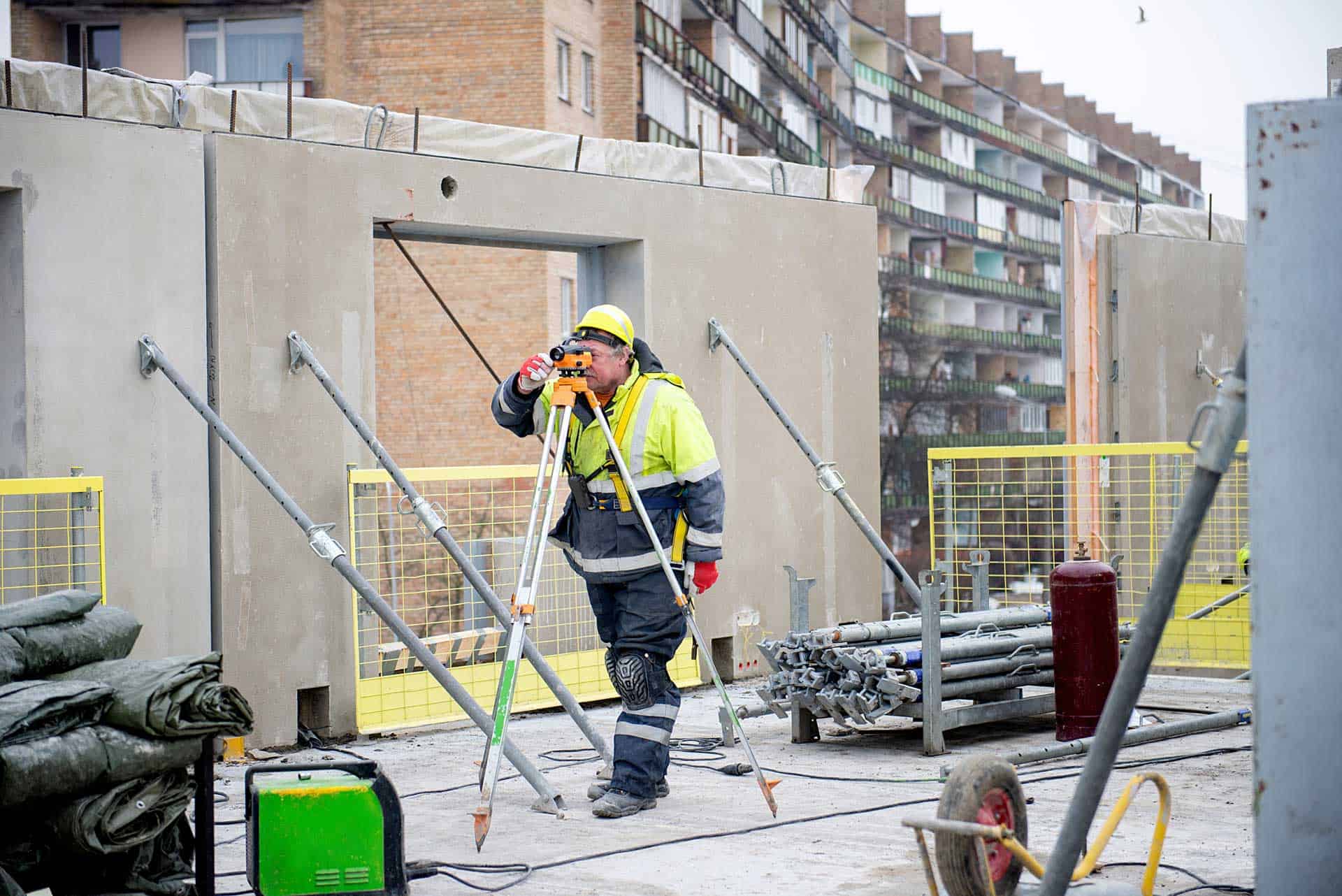
You might assume property lines are obvious. There’s a fence. There’s a driveway. That tree’s been there forever. But assumptions don’t hold up when money or legal rights are involved.
Property lines affect ownership, development rights, and access, which is why it’s common to get a property line survey before buying or selling a home, starting construction, or resolving neighbor disputes. Without a survey, you’re operating on guesswork. And guesswork leads to problems.
Here’s what can go wrong. You install a pool, only to find out later it’s two feet over the setback line. Your permit gets revoked. You have to move it or tear it out. Or you build a fence that turns out to be on your neighbor’s property. In New York, if you allow a neighbor to construct a fence that encroaches on your property, state law allows them to become the owner of that portion through adverse possession after a period of time. That’s not a scare tactic. That’s real.
Then there’s the sale scenario. You’re selling your house and the buyer’s lender orders a survey. It reveals your garage encroaches on the neighbor’s land. Now you’re in a legal mess that could kill the deal or cost you thousands to settle. A 2022 survey found that boundary-related disputes occur in over 20% of residential sales, and resolving them can cost thousands in legal fees, delayed construction, or forced changes to buildings or fences.
A survey removes the guesswork. It gives you a legally defensible document that says, “This is mine. This is not.” That clarity protects your investment and prevents disputes before they start. Whether you’re buying, selling, building, or just want peace of mind, knowing your property lines isn’t paranoia—it’s smart ownership.
What a Land Survey Actually Shows You
When you hire a land surveyor, you’re not just getting a sketch. You’re getting a comprehensive legal document that reveals details you might not even know to look for.
The survey map shows boundaries, structures, and relevant features, and may also include notes on easements, encroachments, and utility lines. Let’s break that down.
Boundaries and corners are the foundation. The surveyor locates or sets physical markers—usually metal stakes or pins—at each corner of your property. These are tied to precise measurements and legal descriptions from your deed. The survey map shows the exact dimensions and angles of your property lines.
Structures matter too. The survey documents your house, garage, shed, deck, driveway, and any other improvements. It shows how far each structure sits from the property line. This is critical for setback compliance—the minimum distance required between a structure and the boundary. Violate a setback and you could face fines, permit denials, or orders to remove the structure.
Easements are another big one. An easement is a legal right for someone else to use part of your property for a specific purpose—usually utilities, access, or drainage. An easement is created when a landowner grants another party permission to use a certain portion of the owner’s property for a specified purpose. You still own the land, but you can’t build on it or block access. Surveys identify these easements so you know what restrictions exist before you start planning construction.
Encroachments are problems waiting to happen. An encroachment occurs when a structure—yours or your neighbor’s—crosses a property line. Maybe their fence is six inches onto your land. Maybe your driveway extends onto theirs. Encroachment is a violation of another’s property rights by building on or extending a structure into a neighboring parcel. Surveys catch these issues early, before they become legal disputes or derail a sale.
The survey might also note topography, flood zones, zoning classifications, and other features depending on the type you order. All of this information gets compiled into a final document that’s signed and sealed by a licensed surveyor. That seal makes it official. It’s not just an opinion—it’s a professional certification that can be used in court, by lenders, and by local building departments.
When Do You Need a Land Survey
Not every situation requires a survey, but more do than you might think. If you’re buying, selling, building, or dealing with a boundary question, a survey is usually necessary—and often required by law or lenders.
Mortgage lenders may require home sellers to supply a land survey during a sale. Even if your lender doesn’t mandate it, your title company probably will. They need to verify what they’re insuring. If there’s an encroachment or easement they didn’t know about, they’re on the hook. A survey protects them—and you.
Building projects almost always need surveys. A survey is required when submitting an application for construction of an addition, deck, fence, or new building. That includes pools, sheds, garages, and major landscaping. Local building departments need to confirm your project won’t violate setbacks, encroach on neighbors, or block easements. Without a survey, your permit application gets denied.
Boundary disputes are another common trigger. If you and your neighbor disagree about where the property line is, a survey settles it. It’s the only way to get a legally binding answer.

Buying or Selling Property on Long Island
If you’re buying a home in Nassau or Suffolk County, a survey should be near the top of your checklist. It’s one of the best ways to avoid expensive surprises after closing.
A good survey can reveal hidden problems with the property and save you thousands of dollars in unanticipated costs, or even from making a bad investment. Maybe the seller’s shed is actually on the neighbor’s land. Maybe there’s an easement running through the middle of the backyard where you planned to build. Maybe the property description in the deed doesn’t match the physical boundaries. A survey catches all of this before you sign.
Sellers benefit too. Having a current survey ready can speed up the transaction and prevent issues during the buyer’s due diligence. Sellers are not required to provide a land survey, but a survey verifies the exact size of a lot, and sellers can use this data to ensure their property is priced accordingly. If your property has unique features—like an easement or irregular lot shape—a survey helps buyers understand what they’re getting and reduces the chance they’ll walk away.
Lenders and title companies rely on surveys to confirm the property matches the legal description and that there are no encroachments or title defects. Most mortgage lenders require a recent survey to make sure there aren’t problems with the property that would compromise its value as security for the loan, and title companies may also require a survey to insure against certain types of risk. Without a survey, the deal could stall or fall through entirely.
The Long Island market in 2026 is competitive. The Long Island housing market is expected to feel more measured than 2025 but still fundamentally strong, with the biggest forces being mortgage rates, affordability, and inventory. In a market where homes are selling quickly and often above asking, having your paperwork in order—including a survey—gives you an edge. Buyers want confidence. Sellers want smooth closings. A survey delivers both.
Even if you’re paying cash and your lender doesn’t require it, get the survey anyway. Lenders will require a land survey before approving a home loan, but even if you’re paying all cash it’s wise to get a survey because of the property-specific information you’ll gain. It’s a small upfront cost compared to the risk of discovering a major issue after you own the property.
Building Fences Pools and Additions in Nassau and Suffolk Counties
Planning to add a pool? Install a fence? Build an addition? You’re going to need a survey—and not just because it’s smart. In most cases, it’s required.
In many cases, you may be required to order a land survey to receive a construction permit or mortgage loan. Local building departments in Nassau and Suffolk Counties want to see exactly where your project will sit in relation to property lines, setbacks, and easements. Without that information, they won’t issue a permit.
Fences are a common example. You might think you know where your property line is, but unless you have a survey, you’re guessing. Your fence and all supporting structures must be located entirely inside your property line and cannot be on the property line, on a neighbor’s property, or on public property, and it is your responsibility to know where your property line is. Build your fence on the wrong side of the line and you could be forced to move it—at your expense. Or worse, your neighbor could claim ownership of that strip of land through adverse possession.
Pools come with even stricter requirements. The water line of the pool is required to be at least seven feet from the property line, and the concrete walkway around the pool is required to be at least four feet from the property line. Building departments enforce these setbacks to ensure safety, drainage, and compliance with local codes. A survey shows exactly where you can place your pool and surrounding features without violating those rules.
Additions and decks follow the same logic. Every municipality has setback requirements—minimum distances from the property line. Violate them and your permit gets denied. Or you build first and get cited later, which could mean fines, stop-work orders, or tearing out the work you just paid for. A survey prevents all of that by showing you exactly where you can build.
Even if your project seems small, don’t skip the survey. When building a new addition like a garage, driveway, home, deck, or patio, you’ll need to make sure you’re building on your own land or risk the financial loss of a teardown and rebuild. The cost of a survey is a fraction of what you’d pay to fix a mistake. And in Nassau and Suffolk Counties, where property values are high and lots can be irregular, precision matters.
One more thing: easements. No structure, fence, or tree may be placed in an easement without the written consent of all utility companies that have the right to access an easement, so check your land survey to determine all potential easements located on your property. If there’s a utility easement running through your backyard, you can’t build on it. A survey identifies these restrictions before you start planning.
Protecting Your Property Starts with Knowing Your Boundaries
A land survey isn’t just paperwork. It’s protection. It’s clarity. It’s the difference between moving forward with confidence and discovering a costly problem after it’s too late.
Whether you’re buying your first home, selling a property you’ve owned for years, or planning a construction project, a professional survey gives you the legal documentation and peace of mind you need. It identifies your exact property boundaries, reveals easements and encroachments, ensures compliance with local regulations, and prevents disputes that could cost thousands to resolve.
On Long Island, where property values are high and lots can be complex, precision matters. A survey protects your investment and keeps your projects on track. If you’re in Nassau or Suffolk County and need a reliable land survey, we can help. Reach out to discuss your project and get the clarity you deserve.