
Summary:
What Does a Land Survey Actually Show You
A professional land survey is essentially a detailed map of your property that goes far beyond what you can see standing in the yard. It identifies the exact legal boundaries based on historical records and current measurements, not assumptions or old fences that may have been placed incorrectly decades ago.
The survey shows where structures sit in relation to property lines—your house, garage, shed, driveway, pool, and even that fence your neighbor insists marks the boundary. It reveals easements that give utility companies or neighbors legal rights to use portions of your land. It documents encroachments, which happen when a structure from one property crosses onto another.
In Nassau County, NY and Suffolk County, NY, where properties have changed hands multiple times over generations, surveys also uncover discrepancies between what old deeds describe and what actually exists on the ground today. That matters because many Long Island properties have deed descriptions written before modern surveying technology existed, referencing landmarks like “the old oak tree” or “the stone wall”—features that disappeared years ago.
Why Lenders and Title Companies Won't Close Without One
If you’re financing a home purchase or refinancing an existing mortgage in New York, your lender will almost certainly require a current survey. Banks need to know exactly what they’re lending money on. They want confirmation that the house actually sits on the property described in your deed, that there aren’t structures encroaching from neighboring properties, and that the boundaries are clearly defined.
Title insurance companies have the same concern. They’re insuring your ownership rights, which means they need to verify that you’re actually getting what the seller claims to be selling. Without a survey, title companies typically take an exception for “any state of facts that an accurate survey would show.” That exception leaves you exposed if a boundary problem surfaces after you’ve closed.
Here’s what that means in practice: if your neighbor’s shed sits two feet onto your property and you didn’t know it when you bought the house, you might not be able to get title insurance coverage for that issue. If that neighbor later claims they’ve been using that land for years and tries to assert ownership through adverse possession, you’re on your own. In New York, someone who encroaches on your property openly and continuously for ten years can actually gain legal ownership of that portion of your land.
The cost of a survey—typically a few hundred to a couple thousand dollars depending on property size and complexity—is minimal compared to the legal fees you’d face fighting a boundary dispute in court. Those disputes can easily cost tens of thousands of dollars, not to mention the stress and time involved. Lenders and title companies require surveys because they’ve seen what happens when properties close without them, and they’re not willing to take that risk.
What Happens When Boundary Lines Are Wrong or Unclear
Boundary problems don’t always announce themselves with dramatic neighbor disputes. Sometimes they’re quiet issues that only surface when you try to sell, refinance, or build something new. But when they do appear, they can derail your plans completely.
Let’s say you’re selling your home in Suffolk County, NY. The buyer’s title company orders a survey and discovers that your fence is actually three feet onto your neighbor’s property. Now you have a problem. The title company won’t insure the transaction unless that encroachment is resolved. You might need to get an affidavit from your neighbor acknowledging the encroachment and agreeing they have no claim to that land. If your neighbor won’t sign—or worse, if they claim they’ve been using that land long enough to own it—your sale could fall apart entirely.
Or consider this scenario: you’re buying a home and planning to add a pool in the backyard. Without a survey, you’re guessing where your property lines are. If you build that pool based on where you think the boundary is, and it turns out you’re wrong, you could be forced to remove it. That’s not a theoretical risk. New York courts have ordered property owners to tear down structures built on land they didn’t own, even when the mistake was honest.
Boundary confusion is especially common on Long Island because so many properties have been subdivided, sold, and resold over generations. Physical markers disappear. Trees grow and obscure sight lines. Erosion shifts landscape features. What the previous owner told you about the property line might be based on nothing more than what the owner before them said, creating a chain of assumptions with no basis in legal reality.
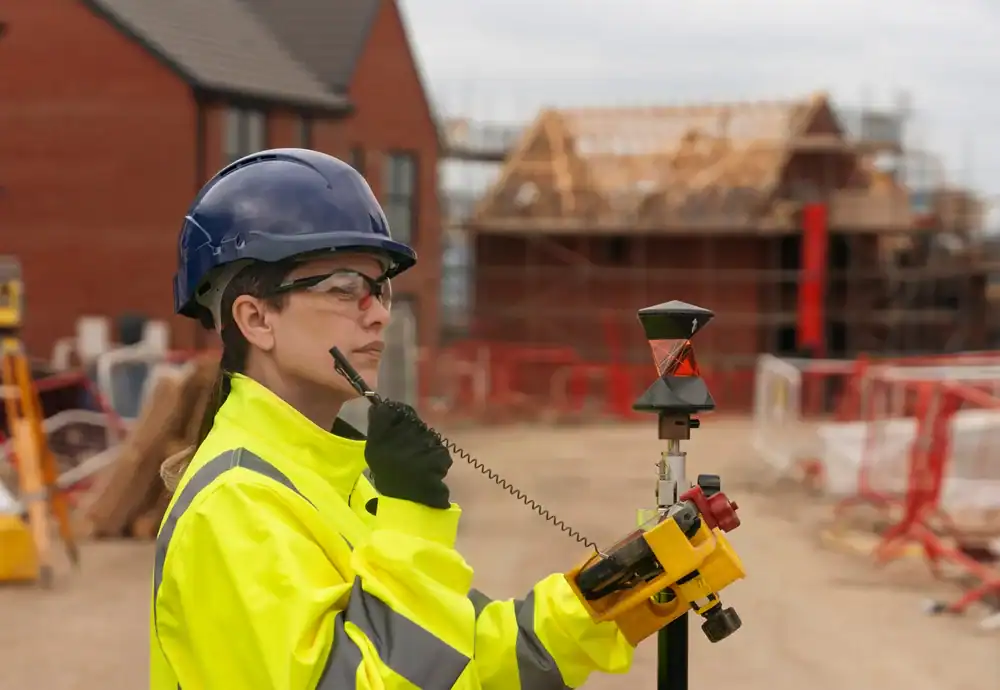
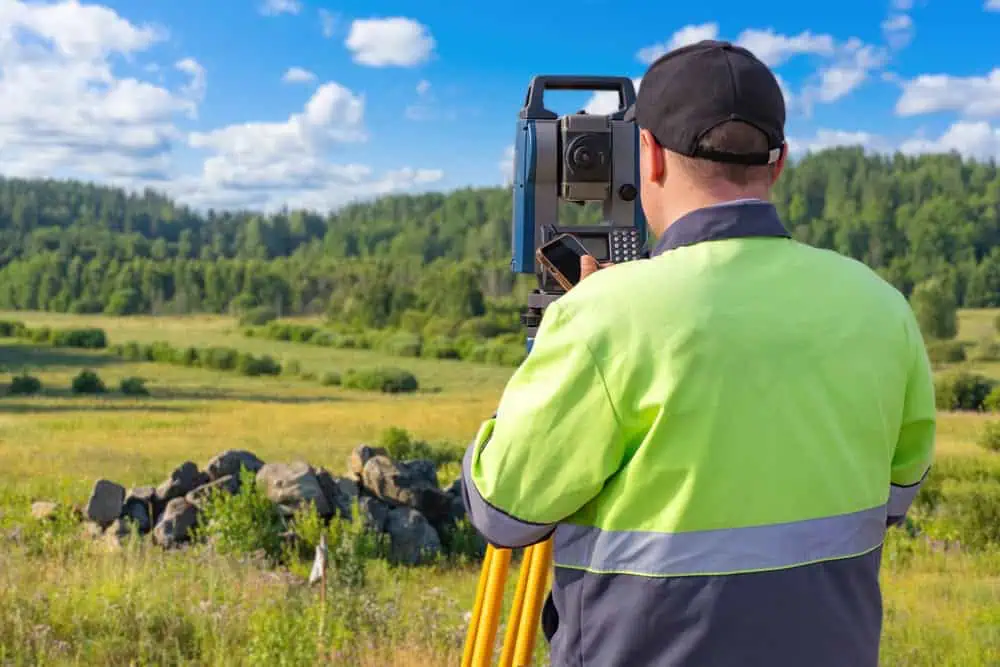
Professional land surveyors cut through all that confusion. They research historical records at the county clerk’s office, locate original survey markers or establish new ones, and use precision equipment to measure your property accurately. The result is a legal document that defines exactly what you own, protects your investment, and gives you confidence to make decisions about your property.
Land Surveys in Real Estate Transactions
Whether you’re buying or selling property in Nassau County, NY or Suffolk County, NY, understanding when and why you need a survey can save you from expensive problems. Different transaction types have different survey requirements, and knowing what applies to your situation helps you plan ahead and avoid last-minute surprises.
For buyers, a survey is one of the most important pieces of due diligence you can do. It tells you what you’re actually getting, not just what the listing says or what the seller believes. For sellers, having a current survey ready can speed up your transaction and prevent issues that might kill a deal.

Property Survey Before Buying a Home
When you’re buying a home, the survey protects you from inheriting someone else’s problems. It shows whether the house, garage, and other structures are actually on the property or if they encroach onto neighboring land. It identifies easements that might limit how you can use certain areas. It confirms that the property boundaries match what’s described in the deed you’ll be receiving.
Many buyers assume that if the seller has an old survey, they can just use that. Sometimes that works, especially if the survey is recent and nothing has changed on the property. But if that survey is ten or twenty years old, it might not reflect current conditions. Maybe the seller added a shed or extended the driveway. Maybe a neighbor built a fence that crosses the line. Those changes won’t show up on an outdated survey.
Even if you’re able to use an existing survey, most title companies will require a physical inspection to confirm nothing has changed since it was prepared. That inspection costs less than a full new survey but still adds to your closing costs. The benefit is worth it. You’re about to make one of the largest financial commitments of your life. Knowing exactly what you’re buying—and what potential issues might exist—gives you leverage to negotiate with the seller or walk away if the problems are too significant.
In Long Island’s competitive real estate market, where median home prices in Nassau County, NY have reached over $800,000 and Suffolk County, NY properties average around $655,000, the stakes are too high to skip this step. A survey that costs $1,000 to $2,000 is a small price to pay for peace of mind on a transaction worth hundreds of thousands of dollars.
Survey Requirements for Refinancing in NY
Refinancing your mortgage in New York often triggers the same survey requirements as a purchase transaction. Lenders want to confirm that the property securing their new loan matches what’s described in the records and that no new encroachments or boundary issues have developed since you bought the home.
The good news is that if you have a recent survey from when you purchased the property, you may be able to use it for your refinance with just an inspection update. The surveyor visits the property, confirms that nothing significant has changed, and certifies the existing survey to your new lender. This typically costs a few hundred dollars rather than the full price of a new survey.
However, if your original survey is more than a few years old, or if you’ve made improvements like adding a deck, pool, or fence, your lender will likely require a completely new survey. They need to see current conditions, not what existed when you bought the house. This is especially true for cash-out refinances, where you’re borrowing against your home’s equity. The lender wants to verify that the property value supports the loan amount and that there aren’t any title issues that could affect their security interest.
Refinancing is also a good opportunity to address any boundary questions you might have. If you’ve been unsure about where your property line is, or if there’s been tension with a neighbor about a fence or shared driveway, getting a professional survey as part of your refinance process gives you clarity. You can resolve those issues before they become bigger problems that affect your ability to sell later.
Some homeowners try to skip the survey to save money on their refinance closing costs. That’s usually a mistake. Without a survey, your title insurance policy will likely exclude coverage for boundary and encroachment issues. If a problem surfaces later, you’re paying to fix it out of pocket. The survey might seem like an unnecessary expense when you’re trying to lower your monthly payment, but it’s actually protecting the equity you’ve built in your home.
Protecting Your Property Investment with Professional Land Surveying
Accurate land surveys aren’t just a box to check in your real estate transaction—they’re fundamental protection for one of the largest investments you’ll ever make. Whether you’re buying your first home, selling a property you’ve owned for years, or refinancing to take advantage of better rates, knowing exactly what you own and where your boundaries are gives you confidence and legal protection.
In Nassau County, NY and Suffolk County, NY, where property values continue to climb and land records sometimes date back generations, professional surveying is more important than ever. The few hundred or thousand dollars you invest in a quality survey can prevent tens of thousands in legal fees, protect you from losing portions of your property to adverse possession, and ensure your real estate transaction closes smoothly.
If you’re preparing for a real estate transaction on Long Island and need accurate, reliable surveying services, we bring over fifty years of local expertise to every project. Our understanding of Nassau and Suffolk County property records, boundary issues, and title requirements means you get the clarity and documentation you need to move forward with confidence.